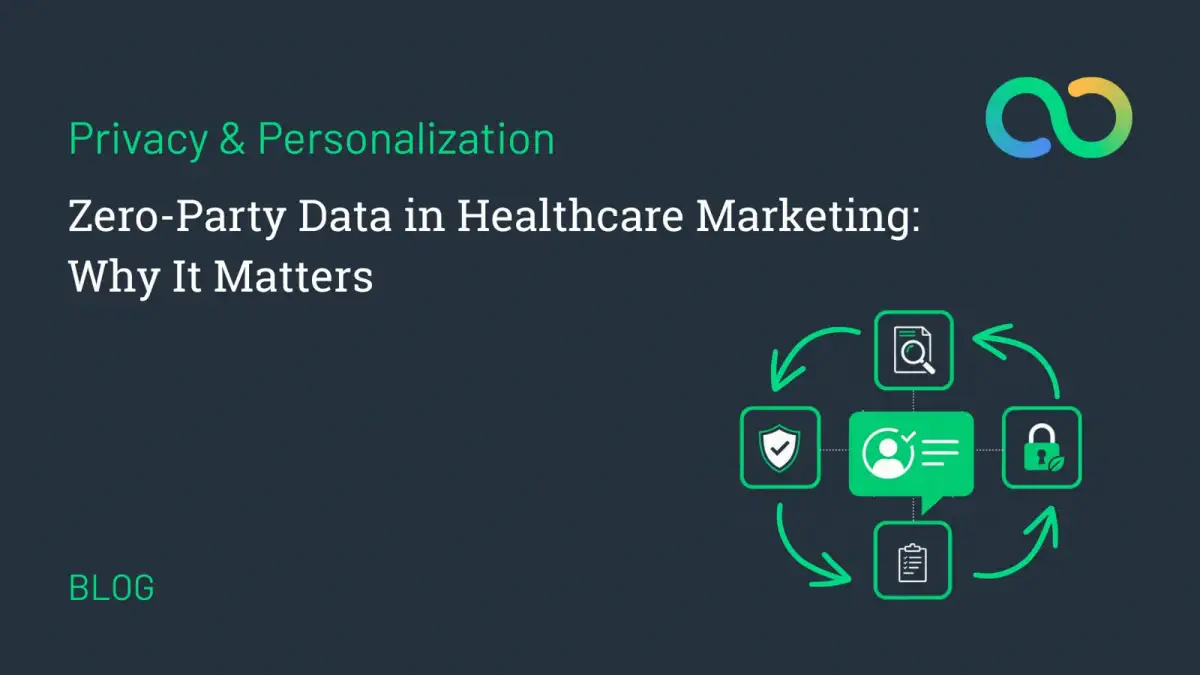
Modern healthcare marketing is evolving rapidly—and at the heart of that evolution lies one powerful tool: zero-party data. This type of data isn’t just following what users click or how they browse—it’s what they willingly tell you themselves. In an industry where trust and privacy aren’t optional, zero-party data is transforming how brands connect with patients on a personal, meaningful level.
What Is Zero-Party Data?
Zero-party data is information that individuals intentionally and proactively share with a brand—whether that’s their preferences, health goals, or communication choices. Unlike behavioral tracking or inferred insights, this data comes straight from the source—making it highly accurate, truthful, and context-rich.
Why It’s Especially Valuable in Healthcare
1. Trust Through Transparency & Consent
Zero-party data relies on explicit consent, making it compliant with regulations like HIPAA. When patients know their data is being used responsibly—and they chose to share it—the foundation of trust only gets stronger.
2. Boosted Personalization, Better Engagement
Patients crave content that’s tailored to their needs—especially when it pertains to their health. Zero-party data lets marketers craft highly relevant messages and experiences that feel genuinely helpful. And since they opted in voluntarily, conversion and engagement rates reflect that clarity.
3. Privacy-Friendly & Future-Proof
With third-party cookies phasing out and privacy demands rising, zero-party data is emerging as a privacy-compliant, sustainable alternative. It shifts the balance back to patients—going from passive surveillance to active collaboration.
4. Enables Richer Patient Insights
By directly gathering patients’ health goals, communication preferences, or wellness interests, organizations can build nuanced engagement strategies, leading to deeper relationships and more informed care journeys.
How to Implement It (Without Being Intrusive)
- Offer Value in Exchange — Patients respond best when they receive something in return—tailored wellness tips, appointment reminders, exclusive content—make the benefit clear before asking for data.
- Keep It Simple and Transparent — Use short surveys, preference centers, or health quizzes that clearly explain why you're asking for the information and how it will be used.
- Refresh Regularly — Patient health and preferences evolve. Build opportunities for patients to update their info over time to keep personalization relevant and accurate.
Bringing It Back to Adapdiv: How We Can Help
At Adapdiv, we understand that personalization—and patient trust—start with intentional collaboration, not inference. Here's how we bring zero-party data to life for healthcare brands:
- Consent-Driven Engagement Tools — We design surveys, preference centers, and content intake experiences that feel intuitive, valuable, and privacy-first—so patients feel safe sharing, and brands gain actionable insights.
- Privacy-Aligned Strategy — Our approach is built around HIPAA compliance, data ethics, and regulatory clarity—so personalization never comes at the expense of patient trust.
- Data Activation Across Channels — Whether it's email, web, or in-app messaging, we help you transform explicit patient data into dynamic, relevant journeys—without becoming invasive.
- Insightful Segmentation & Storytelling — Zero-party data empowers deeper audience segmentation. We turn those insights into human-centered stories—like health journey narratives or tailored wellness content—that truly resonate.
In Summary
In healthcare marketing, zero-party data isn’t just a strategy—it’s a statement. It says: “We respect your choices, understand your needs, and value your trust.” By building personalization off the foundation of consent and clarity, brands can deliver messaging that actually matters—while honoring the privacy and dignity of the patient.